
What started as a question became our answer
We wanted to know if teaching yoga could be taught — not just practiced, but actually broken down, understood, and passed on with clarity. Turns out, it can.

We've been doing this since 2019
Our platform grew out of a simple observation — most people who know how to teach yoga learned through trial and error. Some got mentorship if they were lucky. Many just figured it out on their own, class by class, mistake by mistake.
We built this because there's a better way. Yoga teaching methodology can be systematic without being rigid. You can learn sequencing principles, how to read a room, how to adjust on the fly — all before you're standing in front of thirty people who expect you to know what you're doing.
The platform serves instructors across the country. Some work in studios, some teach privately, others run corporate wellness programs. What they share is the need for practical skills that translate into actual teaching situations. We focus on that — real scenarios, concrete techniques, and the kind of detail that only comes from years of watching what actually works.
How we structure learning
Group sessions give you exposure to different teaching contexts and approaches — you see how others handle the same challenge you're facing.
Individual sessions let you dig into your specific weak points. If you struggle with advanced modifications or verbal cueing, that's where we focus.
Learning paths adapt based on what you already know. Someone with five years of teaching experience needs different material than someone planning their first class.
Live instructor feedback means you can ask about edge cases and get answers based on actual experience, not theory.
Three areas we focus on
These aren't arbitrary categories — they're the parts of teaching that students consistently struggle with and where targeted practice makes the biggest difference.

Sequencing logic
You learn how to build a class that makes physical sense. We cover peak pose preparation, counter-pose selection, and how to adjust flow based on student fatigue or skill level. This is about structure that serves the practice, not formulas you repeat endlessly.
Verbal instruction
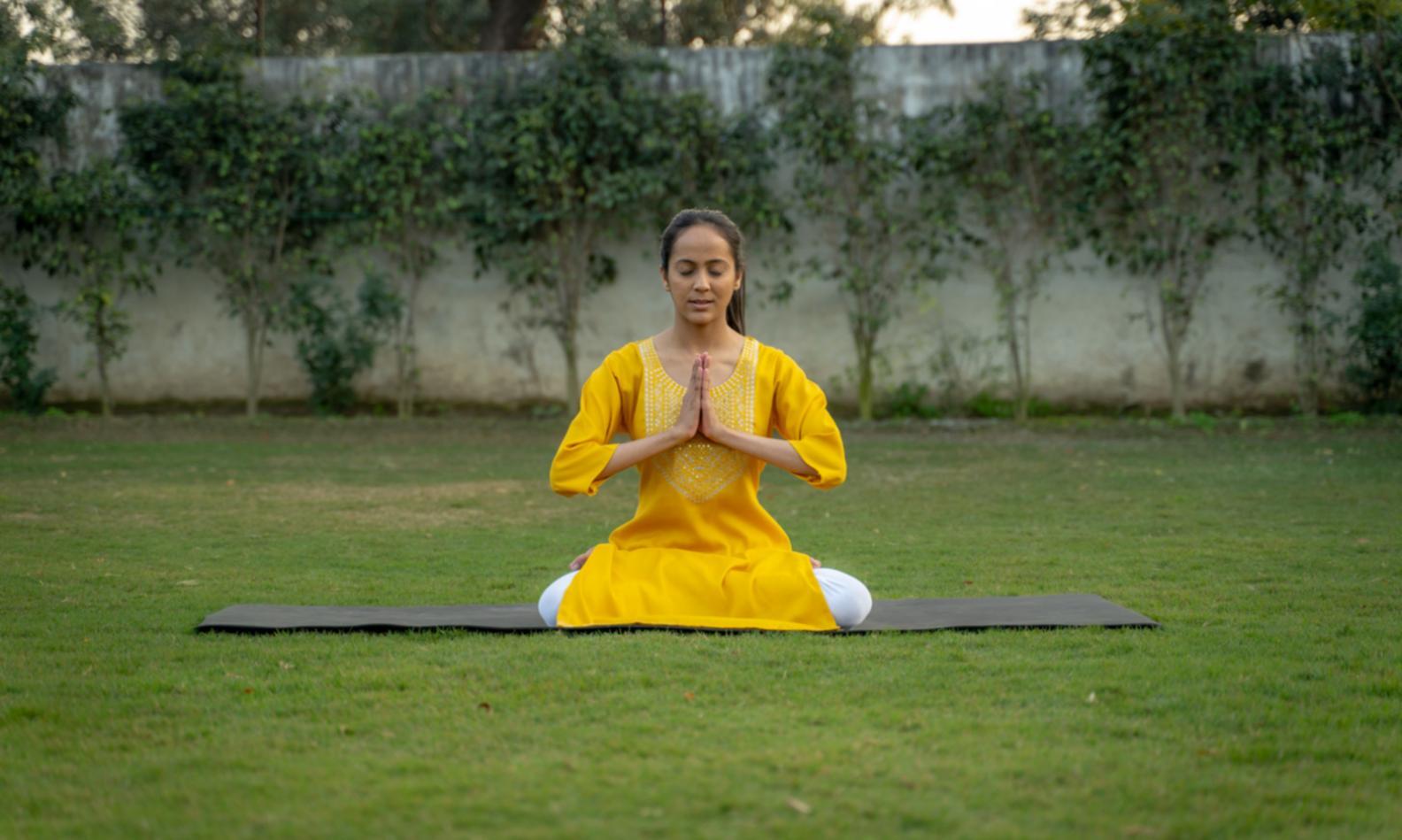
Knowing the pose and explaining it clearly are different skills. We work on cue economy — saying enough to guide without overwhelming. You practice giving corrections that students can actually implement mid-flow, and you learn when to demonstrate versus when to just talk.

Reading the room
This is about observation and adjustment. How do you spot when someone's pushing too hard or not enough? What do you do when half the class is bored and the other half is struggling? We teach decision frameworks for real-time modification so you're not just guessing.
Who teaches this stuff
These are the people who design the curriculum and lead most sessions. They've taught thousands of classes between them and know where new instructors typically get stuck.
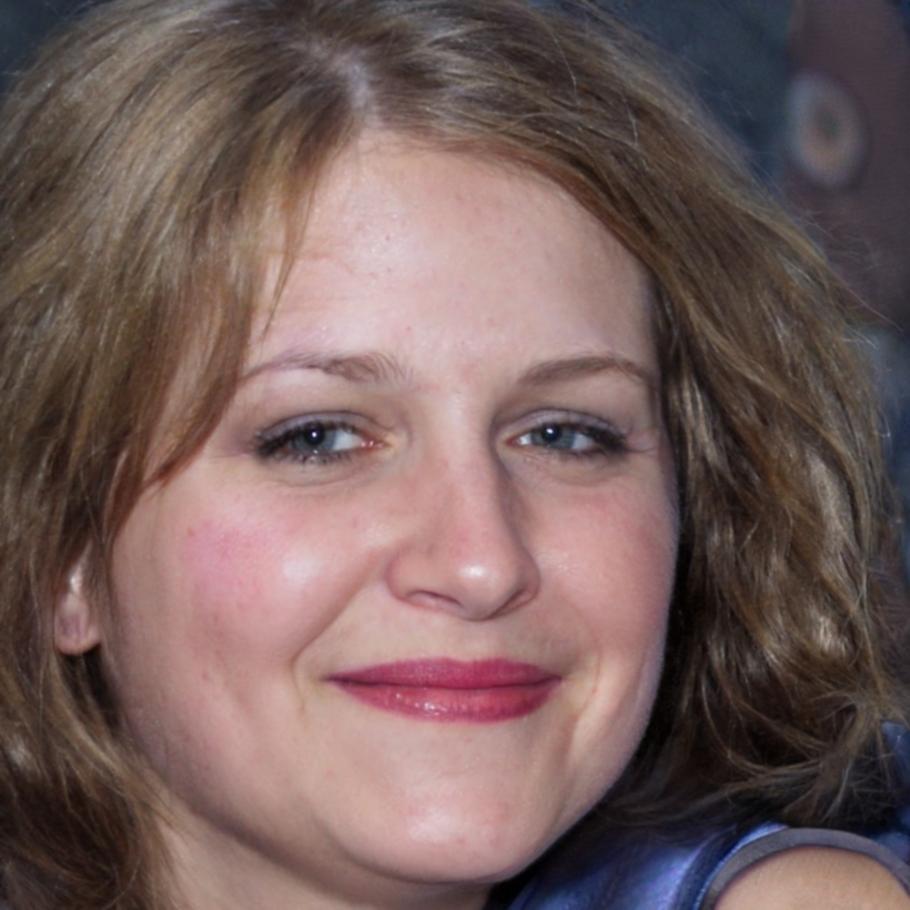
Oona Taipale
Senior Methodology Instructor
Oona spent twelve years running teacher trainings before joining us. She's particularly good at breaking down the parts of teaching that seem intuitive but actually require deliberate practice — things like pacing, energy management, and knowing when to intervene versus when to let students work through something.
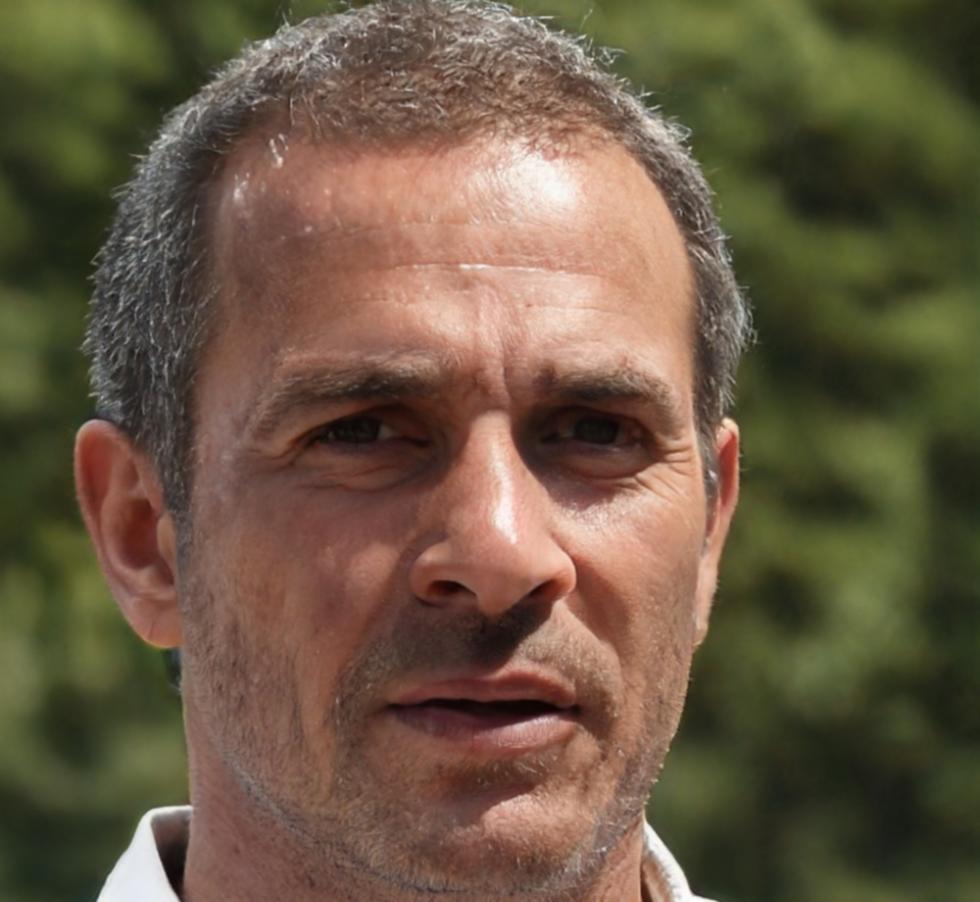
Henrik Eklund
Program Development Lead
Henrik builds the learning paths and figures out how to sequence content so it actually sticks. His background is in curriculum design for adult learners, which means he thinks a lot about how people retain skills when they're learning outside formal classroom settings. He also handles most of the individual session customization.